What You'll Find in the Commons
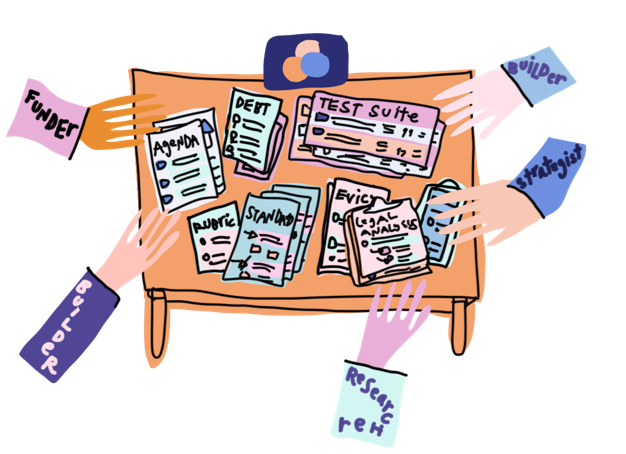
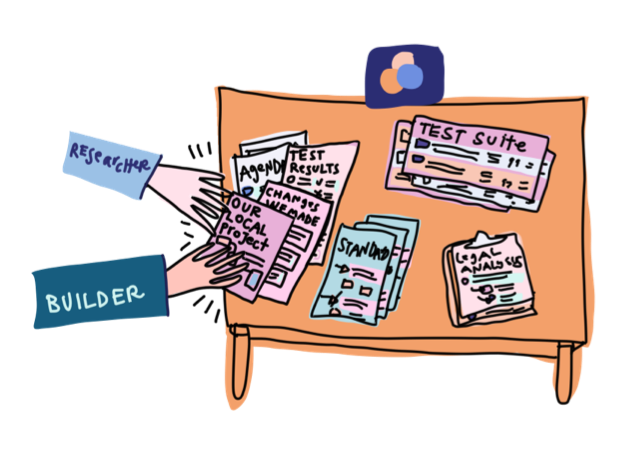
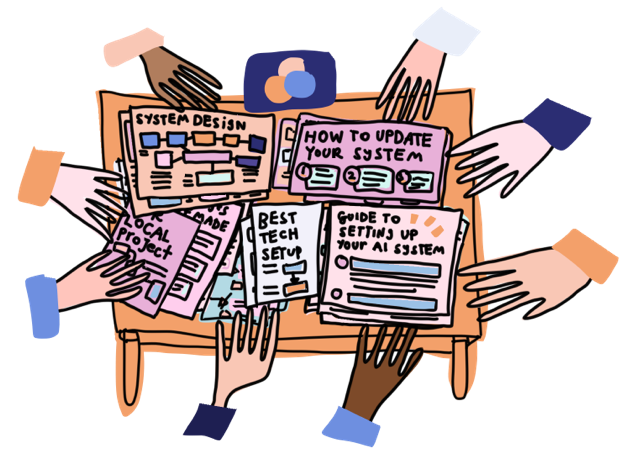
Each workflow in the Commons produces a package of shared assets. Here is what goes into each package, organized by the three things the field needs.
What to build The wishlist
Functional Agendas
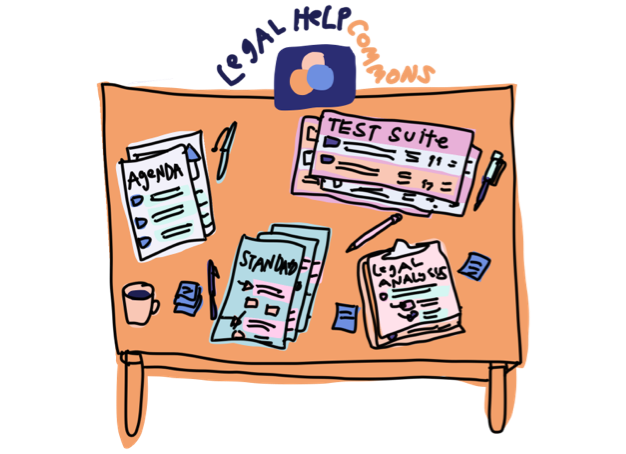
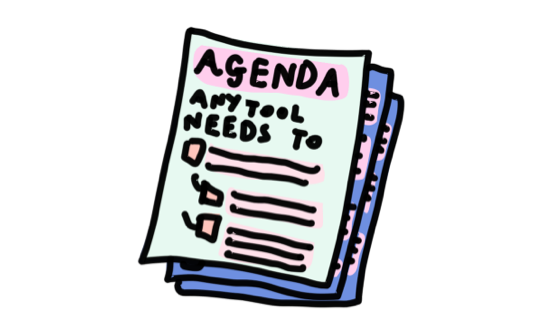
A checklist of every capability a system should have, organized by what happens during the workflow. Use it to scope a build, write an RFP, or evaluate a proposal.
Read the agendas →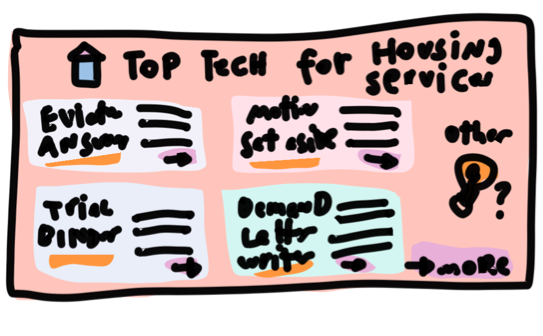
Shared Tools Agenda
The reusable components every workflow needs: issue classifiers, document readers, PII maskers, jurisdiction matchers. An open agenda of what to build once and share.
View the tools →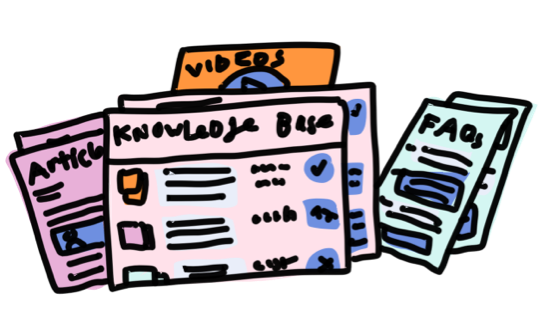
Knowledge Base Preparation
Standards and guides for structuring your legal help content (articles, FAQs, service directories, forms) so AI tools can use it reliably across jurisdictions.
Read the standard →How good it needs to be The goalposts
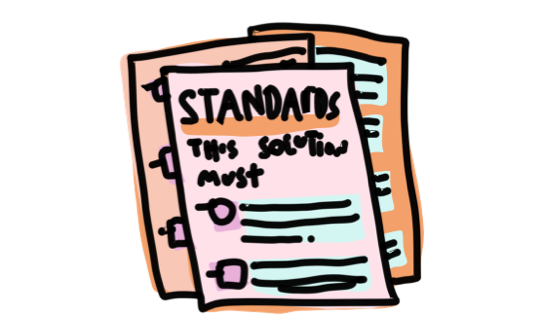
Conformance Standards
The quality bar a system must clear: performance, usability, safety, onboarding, and sustainability. Each gate has specific pass/fail criteria for each workflow.
Read the standards →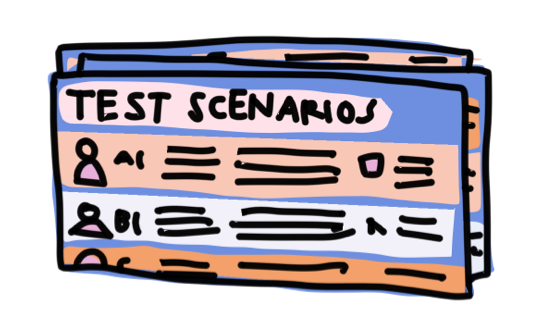
Test Suites
Banks of realistic scenarios you run through a system to see how it performs. Each scenario includes the situation, the correct answer, and what good and bad look like.
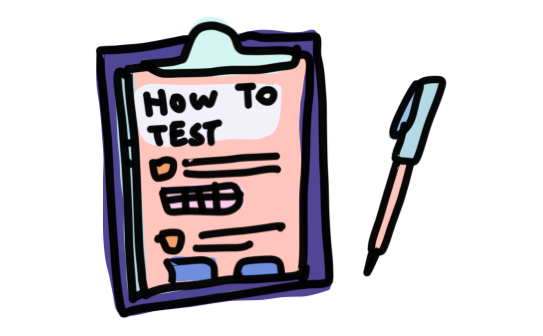
Evaluation Protocols
Methods for measuring whether an AI tool is accurate, safe, jurisdiction-correct, and useful. Designed so an independent evaluator can run them without the builder present.
How to build it The how-to
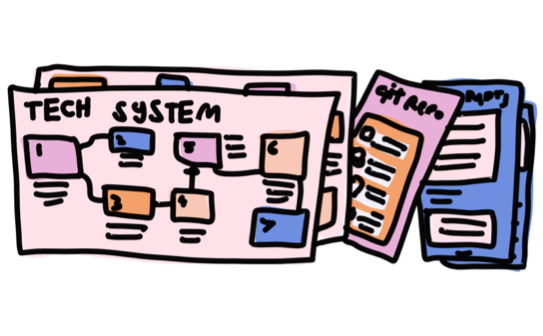
Reference Architectures
Technical blueprints showing how a system's components fit together: data flows, integration points, model selection, and the design decisions that matter most.
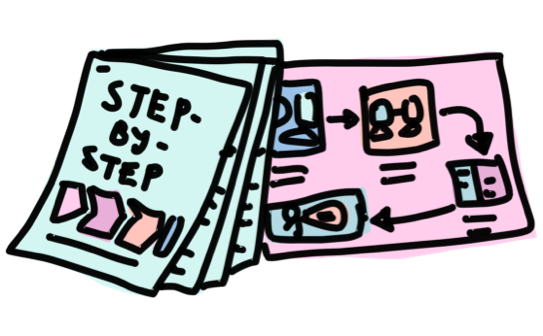
Implementation Playbooks
Step-by-step guides covering planning, staffing, procurement, data prep, testing, launch, and maintenance for specific workflows.
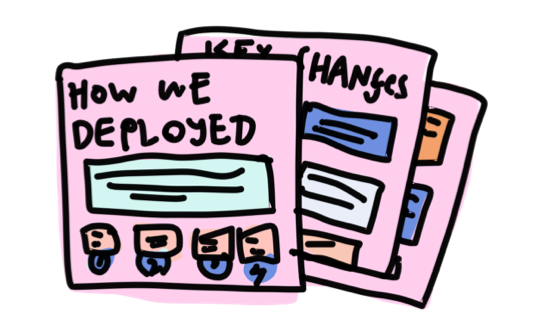
Case Studies
What teams chose, why they chose it, what surprised them, and what they would do differently. Designed so the next team does not start from scratch.