Legal Help Workflows

End-to-end scenarios where AI can help people with specific legal problems. Each workflow has a shared package of agendas, standards, and blueprints being developed by a cohort.

Housing

Where can we build tech-powered workflows to help people facing eviction, living with repairs their landlord will not make, arguing over a lease, or at risk of losing their home?
Join the Housing cohort

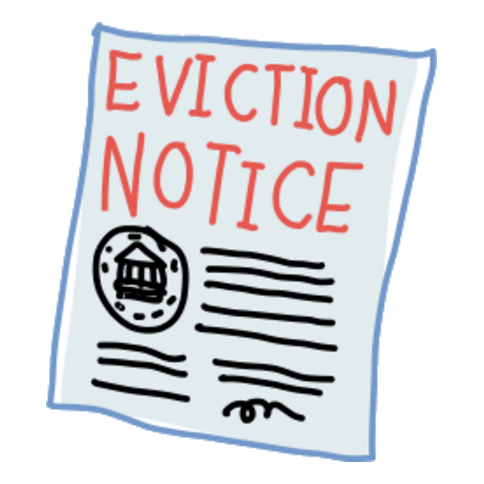
Eviction Notice Defect Spotting

Help a legal aid worker read a tenant's eviction notice, flag the defects in it against statute, and turn those flags into defenses and a court response.

Why it matters for peopleCatching a defect in the eviction warning notice a landlord must serve before filing can end a case before it starts, so a family keeps its home and its rental history stays clean.

Explore this workflow →
Answering an Eviction Case

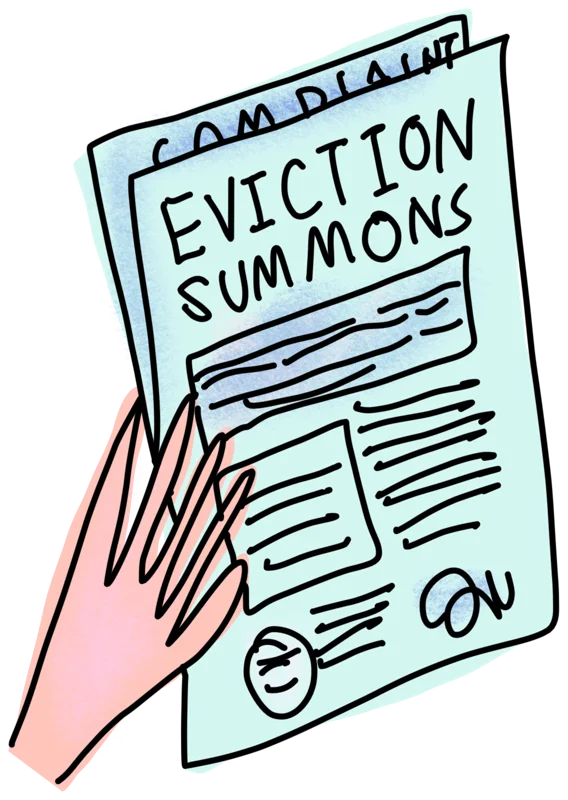
Help a tenant who has been served file an answer in time, with the defenses their situation supports, the fee waiver, and a jury demand if they want one.

Why it matters for peopleA filed answer keeps a tenant from losing by default, which can mean staying housed and avoiding an eviction record that blocks future rentals.

Explore this workflow →

Problems With Living Conditions in Your Rental

Help a tenant living with conditions the landlord will not fix put the request on the record, use the rent remedy their state allows without risking eviction, and keep their home.

Why it matters for peopleRepaired, safe housing protects a household's health and budget, and tenants can use these rights without risking their home.

Explore this workflow →
Motion to Set Aside an Eviction Default

Help a tenant who lost an eviction case by default put together the motion to reopen it, serve and file it in time, and know what to say at the hearing.

Why it matters for peopleReopening a default gives a tenant who never got notice a chance to raise their defenses and stay housed.

Explore this workflow →
Reasonable Accommodation Demand Letter

Help a tenant with a disability ask their landlord to change a rule that they cannot follow, in a letter that sets out the request and the law behind it.

Why it matters for peopleA clear accommodation request can keep a tenant with a disability in their home when a rule they cannot follow would otherwise cost them their lease.

Explore this workflow →
Jury Instructions for an Eviction Trial

Help a tenant or an advocate propose a correct set of jury instructions for the trial, drawn from the approved pattern set, with every change marked and the contested ones put to a lawyer.

Why it matters for peopleA correct set of instructions means the jury decides the case under the law that actually protects the tenant.

Explore this workflow →
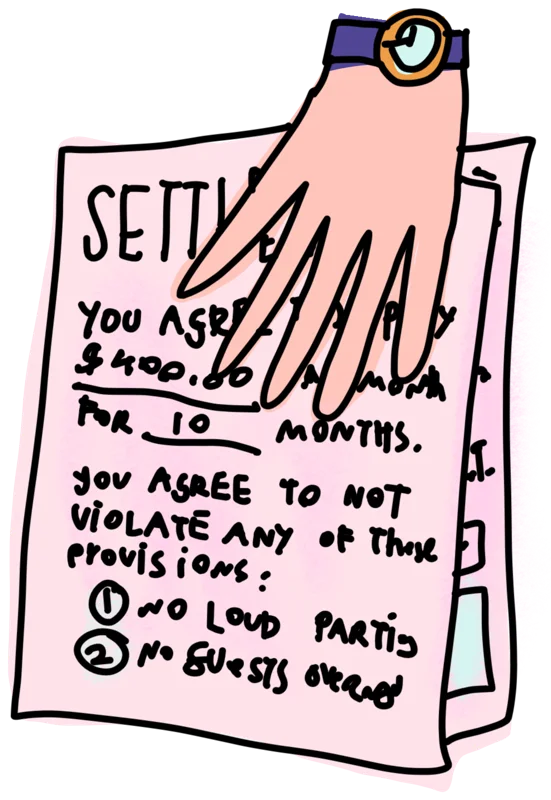
Reviewing a Settlement Offer Before an Eviction Hearing

Help a tenant handed a settlement before an eviction hearing understand what it means, whether they can pay it, and what help is available before they sign.

Why it matters for peopleA settlement the tenant understands and can pay brings more time to move, payments they can keep, and a sealed record, so they can find the next home and keep working.

Explore this workflow →
Debt collection

Where can we build tech-powered workflows to help people sued over a debt, facing garnishment, claiming an exemption, dealing with medical bills, or correcting what a credit report says?

Join the Debt collection cohort

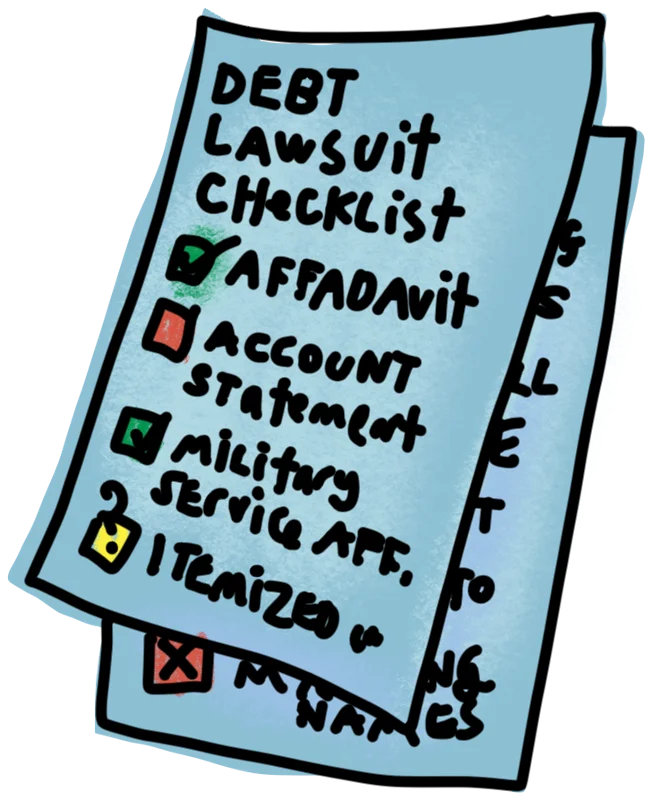
Debt Lawsuit Documentation Review

Help a person check whether a debt collector, who has sued a consumer, has met all the legal requirements to bring a case and possibly get a default judgment.

Why it matters for peopleJudges can refuse judgments the plaintiff cannot prove, which protects people from wage garnishment and bank levies on wrong or unproven debts.

Explore this workflow →

Answering a Debt Collection Lawsuit

Help a person sued over a debt answer in time, see the defenses available to them, and reach a settlement or a hearing rather than a default judgment.

Why it matters for peopleReaching people before default and helping them answer gives them the chance to raise defenses or settle on terms they can afford, and to keep their wages and bank accounts.

Explore this workflow →

Wage Garnishment and Bank Levy Exemptions

Help a person whose wages are being garnished or whose bank account was frozen claim the money the law protects, such as benefits, and get the exemption forms filed before the deadline.

Why it matters for peopleProtected wages and benefits stay with the household, so a judgment does not take the money a family needs for rent and food.

Explore this workflow →

Medical Debt and Billing Disputes

Help a patient check whether they qualify for hospital charity care, even after the bill has gone to collections, challenge billing errors and surprise bills, and answer a lawsuit over a medical bill.

Why it matters for peopleCharity care and corrected bills can erase medical debt before it reaches collections or court.

Explore this workflow →

Court Fines, Fees, and Traffic Tickets

Help a person who owes fines, fees, or a traffic ticket ask the court to reduce or waive what they cannot afford, and get a suspended driver's license back. This workflow overlaps with the reentry workflow on waiving fines and fees.

Why it matters for peopleFines and fees set at what a person can pay keep a ticket from turning into a suspended license, a lost job, and a growing debt.

Explore this workflow →

Settlement Offers and Payment Plans

Help a person who has been offered a settlement by a debt collector understand the terms, check whether they can pay, and negotiate a plan they can keep.

Why it matters for peopleA fair, affordable settlement ends the case without a judgment, a garnishment, or a payment plan the person cannot keep.

Explore this workflow →
Cohort

Reentry

Where can we build tech-powered workflows to help people clearing a record, asking a court to waive the debt they owe, getting a license back, finding housing, or looking for work after incarceration?

Join the Reentry cohort

Expungement Eligibility Screening

Help people with criminal records determine whether they qualify for expungement or record-clearing remedies under their state's laws.

Why it matters for peopleA cleared record opens jobs, housing, and professional licenses that a conviction would otherwise block.

Explore this workflow →

Waiving Fines and Fees After a Criminal Case

Help a person who owes court debt after a criminal case ask for it to be waived or reduced, with the presumptions established, the hardship documented, and the argument ready for the hearing.

Why it matters for peopleWaived court debt frees income for rent and family needs, and clearing warrants and license suspensions lets people drive to work.

Explore this workflow →

Criminal Records Data Assembly and Analysis

Help a person leaving incarceration, and the advocate working with them, assemble what their record actually says across the courts and agencies that hold it.

Why it matters for peopleCorrect records are the first step to relief. They keep a wrong entry from blocking an expungement, a job, or a professional license.

Explore this workflow →

Public benefits

Where can we build tech-powered workflows to help people applying for a benefit, proving they still qualify, renewing it, answering an overpayment notice, or appealing a denial? This cohort is the newest, and medical records review is the first workflow in front of it.

Join the Public benefits cohort

Medical Records Review

Help an advocate gather, organize, and read a client's medical records to prove the fact the legal matter turns on, with the client's health information protected throughout.

Why it matters for peopleOrganized medical evidence helps people with disabilities win SSI and SSDI, which brings steady income and often health coverage.

Explore this workflow →

Applying for SSI and SSDI

Help a person with a disability complete the Social Security disability application and its supplementary forms, so the first application has what it needs.

Why it matters for peopleA complete first application can avoid a denial and the long appeals that follow, so disability income arrives sooner.

Explore this workflow →

Benefit Denial Notices and Appeals

Help a person read a denial or termination notice, check it against the program's rules, and request a fair hearing and prepare the appeal in time.

Why it matters for peopleAppealing a wrong denial or cutoff restores the benefits that keep a household stable, sometimes with back payments.

Explore this workflow →

SNAP Applications and Procedural Denials

Help a person get through the steps where SNAP applications are most often lost, such as documents, the interview, and card setup, so benefits are not denied over paperwork.

Why it matters for peopleGetting through the paperwork steps keeps food assistance from being denied on a technicality, so families can put their income toward rent and other needs.

Explore this workflow →
Shared infrastructure

Shared infrastructure

These are the pieces every area depends on, built once and used across all of them.

Join the voice and intake cohort

Voice AI Intake and Triage

Help people who call a legal help hotline get screened, triaged, and routed to the right service through a voice-based AI assistant that works alongside human staff.

Why it matters for peopleFaster screening and routing gets callers to the right help sooner, before a deadline passes.

Explore this workflow →

Brief Help Legal Q&A

Help people who describe a legal problem get accurate, jurisdiction-specific guidance, next steps, and connections to services.

Why it matters for peopleAccurate, local next steps help people act in time, and know when to get a lawyer.

Explore this workflow →
Tell us how it works where you are

Leave a note on a workflow

We are deciding which of these to take on first, and what a tool would have to do. If you work on one of these, or you have lived through one, tell us how it goes in your county and where technology would change the result. You can leave your name or stay anonymous.

What a person actually goes through, and where it breaks down.
Optional, such as a court clerk or a tenant organizer.
Optional.
Optional.
Optional, and only so we can write back.

See all the ways to work with us