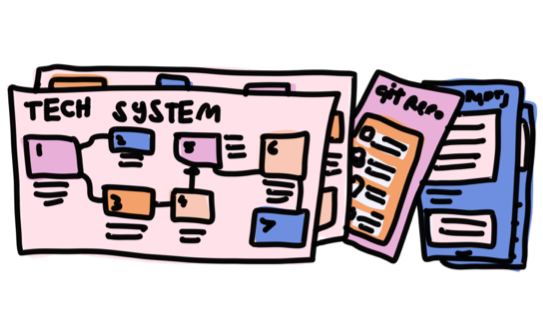
This page is the shared target for this situation. Any court, legal aid office, or builder working on it in their own region can take the vision, the blueprints, and the standards here instead of starting over, and set the parts that are local to them. The point is that the same work is not designed from scratch in every county.
Does this match how it goes where you are? Leave a note on this workflow.
What This Workflow Is
A medical bill arrives after the care, sometimes from a provider the patient never chose and cannot recognize. Bills carry errors: a charge entered twice, a service that was never given, insurance applied to the wrong claim.
Nonprofit hospitals run financial assistance programs that can reduce or cancel a bill, and eligibility often reaches further up the income scale than people expect. The assistance is usually still available after the account has gone to a collector, and sometimes after a lawsuit is filed. A person who does not know the program exists pays what they do not owe, or gets sued for it.
A system here reads the bill against the insurer's explanation of benefits, checks the household against the hospital's own published assistance policy, and assembles the application. Where a case has already been filed, it says which deadline comes first.
How it works today
A person compares a bill against an explanation of benefits they may never have received, works out whether the hospital has an assistance policy and whether they qualify, finds the application, and gathers the proof it asks for. If a collector has already sued, they are answering a lawsuit at the same time, on a deadline the court sets.
What a good system does
A good system reads the bill and the explanation of benefits together, flags charges that do not match, checks the household against the hospital's published assistance criteria, assembles the application with the proof it asks for, and says which deadline is nearest when a case has already been filed.
How the service would work, step by step
Person uploads the bill and any insurance paperwork
→
Charges are matched against the explanation of benefits
→
Charges that do not match are flagged with the page they came from
→
The household is checked against the hospital's assistance policy
→
The assistance application is assembled with its proof
→
Person or advocate reviews it
→
It is sent to the hospital, and any court deadline is met
Person
Deterministic check
Output
Human review
Who this serves: Patients facing medical bills they cannot pay, and the advocates, financial counselors, and hotline staff who help them.
The Package
Nothing in this package is written yet. The cohort takes the workflow on, writes the step-by-step agenda first so practitioners can argue with it, and the rest follows from what comes back. This page says plainly where each piece stands, and it changes as they exist.