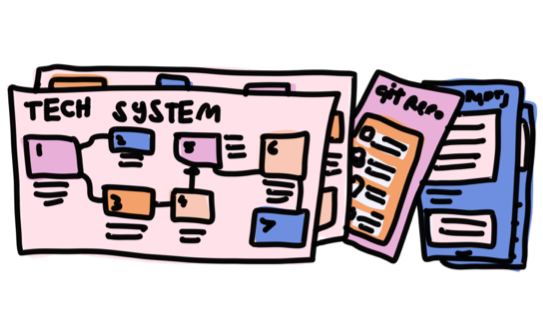
This page is the shared target for this situation. Any court, legal aid office, or builder working on it in their own region can take the vision, the blueprints, and the standards here instead of starting over, and set the parts that are local to them. The point is that the same work is not designed from scratch in every county.
Does this match how it goes where you are? Leave a note on this workflow.
What This Workflow Is
A ticket or a court case leaves a person owing money to a court. Left unpaid it grows with penalties, goes to a collection agency, and in many places puts a hold on the person's driver's license. Losing the license often costs the job that would have paid the fine.
Courts can usually reduce the amount, waive it, set a payment plan, or allow community service instead, based on what the person can afford. The person has to ask, on the court's own form, with something showing what they earn and what they spend. Each court does it slightly differently, and somebody with tickets in more than one place is asking several times.
A system here gathers what is owed, assembles what the person can show about their finances, and drafts the request each court wants.
This workflow overlaps with Waiving Fines and Fees After a Criminal Case in the reentry cohort. The two cohorts share what they write rather than drafting the same ability-to-pay material twice.
How it works today
A person works out what they owe, case by case and court by court, finds which court takes which kind of request, fills in a financial statement by hand, and asks. A license hold usually runs on its own track, so clearing the debt and getting the license back are two separate errands.
What a good system does
A good system pulls together what is owed across cases and courts, turns what the person says about income and expenses into the financial statement each court asks for, drafts the request, and says what order to do things in so a license comes back soonest.
How the service would work, step by step
Person says which courts and cases they know about
→
What is owed is gathered case by case
→
Person answers about income and expenses
→
The ability to pay is worked out against the court’s own measure
→
The request and the financial statement are drafted
→
Person or advocate reviews it
→
The requests are filed, in the order that lifts the license soonest
Person
Deterministic check
Output
Human review
Who this serves: People who owe court debt, and the advocates, clinics, and court self-help staff who help them ask for relief.
The Package
Nothing in this package is written yet. The cohort takes the workflow on, writes the step-by-step agenda first so practitioners can argue with it, and the rest follows from what comes back. This page says plainly where each piece stands, and it changes as they exist.