Reentry
Reduce fines and fees
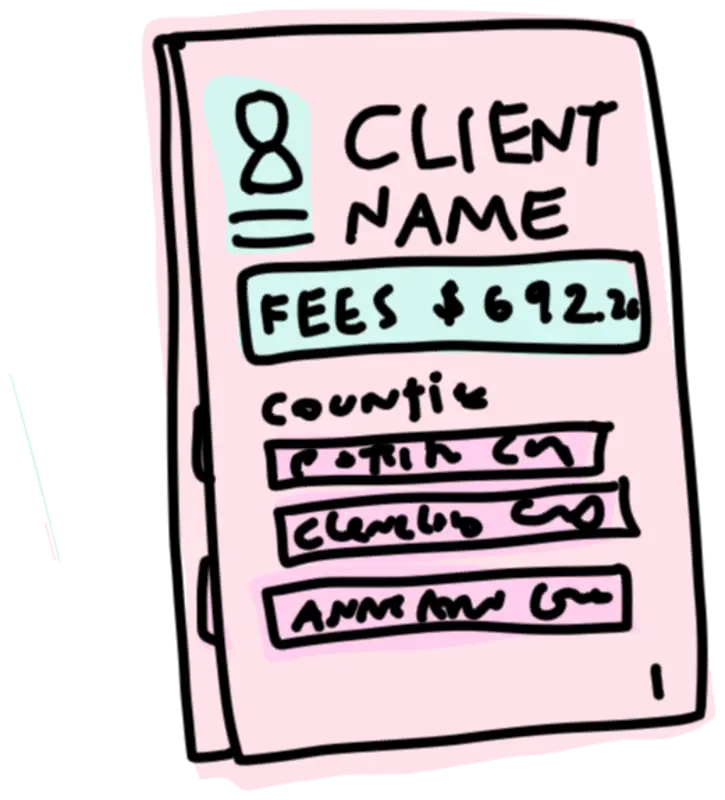
Lucy left jail owing court fines that grow every month on minimum wage.
Lucy. Lucy left jail owing $2,700 in court fines and fees, and the amount grows each month with late charges. She earns minimum wage and cannot pay. The debt is blocking her license and keeps her in fear of a new warrant.
- Legal outcome they want
- The court reduces or waives the fines, or sets a payment Lucy can afford.
- Life outcome they want
- Lucy keeps her income for rent and food. She stops fearing arrest.
The problem
People leaving jail or prison can owe court fines, fees, and costs that grow with interest and late charges. Missed payments can lead to license suspensions, new warrants, and collection accounts. For people earning low wages, the debt can feel permanent.
The legal outcome
The legal outcome is a court order that reduces or waives the fines and fees based on ability to pay, or converts them to community service or an affordable payment plan. Under Bearden v. Georgia, a court must consider a person's ability to pay before jailing them for nonpayment. People need to request a hearing, document their income and expenses, and explain their situation to a judge.
The life outcome
The life outcome is income kept for rent and food, a license restored, and freedom from the fear of arrest over a debt. How could a person's ability to pay be considered early, and how could people get relief before they fall into default?
One story of how this service works today
Where this story ends todayThe debt keeps growing, and new warrants follow missed payments.
- Specialized techThe court payment portal shows the balance growing
- Off-the-shelf techSearches online for court debt relief
- Community, family, or navigatorHer probation officer reminds her to pay
- Non-expert helperThe clerk offers a payment plan she cannot afford
- Expert helperAn attorney files a motion to reduce at a clinic
- The personAttends the ability-to-pay hearing alone
Where people drop offAbility-to-pay relief is rarely offered, and hearings come without help.
A dashed step is one where people drop out of this story.
This is one story of how the service works today. It is a draft written for people to react to and change, and another place will look different.