Housing
Prepare for an eviction trial
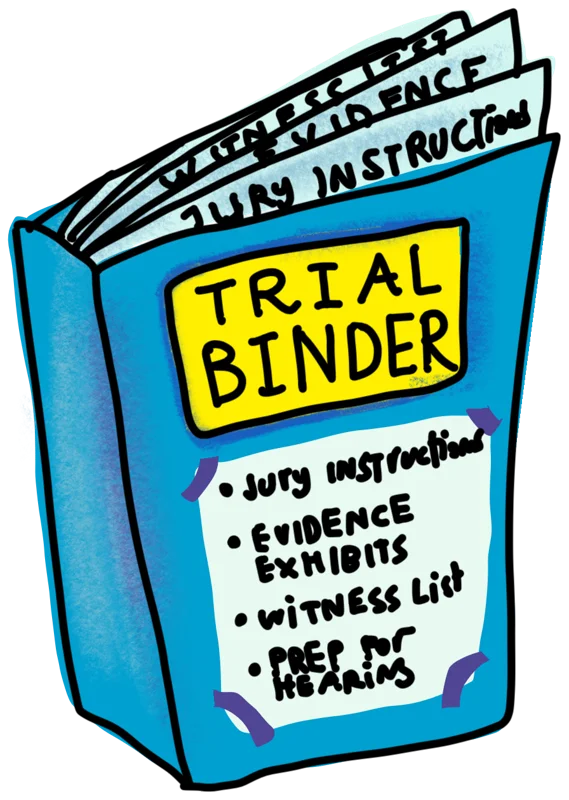
Ruth's eviction trial is days away and she does not know which of her evidence matters.
Ruth. Ruth filed her answer, and her trial is in nine days. She has photos of the broken plumbing, rent receipts, and a long thread of texts with the property manager. She does not know which of these matter, how to show them to the judge, or what will happen in the courtroom.
- Legal outcome they want
- Ruth presents her defenses at trial, and the judge decides on the merits.
- Life outcome they want
- Ruth stays in her home, or leaves with time and a clean record.
The problem
People who respond to an eviction case then face a trial, often within days or a few weeks. They may have photos, rent receipts, texts, and repair requests that support their defenses, but they do not know which ones matter, how to organize them, or how a judge expects to see them. They may also not know what happens in the courtroom: who speaks first, what the landlord's attorney will argue, or whether they can discuss a settlement in the hallway.
The legal outcome
The legal outcome is a hearing where the person presents their defenses and evidence clearly, so the judge decides the case on its merits. That requires knowing what each defense has to show, matching evidence to it, preparing copies, and being ready to respond to the other side. It also includes understanding settlement offers made on the day of trial, which can carry terms that affect the person's record and finances for years.
The life outcome
The life outcome is the same one the first response protects: staying in the home, or leaving with time, money, and a clean record. A well-prepared hearing also leaves people knowing the court heard them, which shapes how they deal with courts and landlords afterward. How could the days between the answer and the trial be used so that people arrive ready?
One story of how this service works today
Where this story ends todayMany tenants appear at trial, but few present the defenses and evidence they have.
- Specialized techA court notice gives the trial date and room
- Off-the-shelf techWatches online videos about eviction court
- Non-expert helperThe self-help center explains courtroom basics
- Community, family, or navigatorA church volunteer helps sort her photos and texts
- Expert helperMeets the duty attorney in the hallway that morning
- The personPresents her case with papers out of order
Where people drop offAdvice often comes minutes before the hearing, and the evidence is not organized for the judge.
A dashed step is one where people drop out of this story.
This is one story of how the service works today. It is a draft written for people to react to and change, and another place will look different.