Housing
Get repairs made
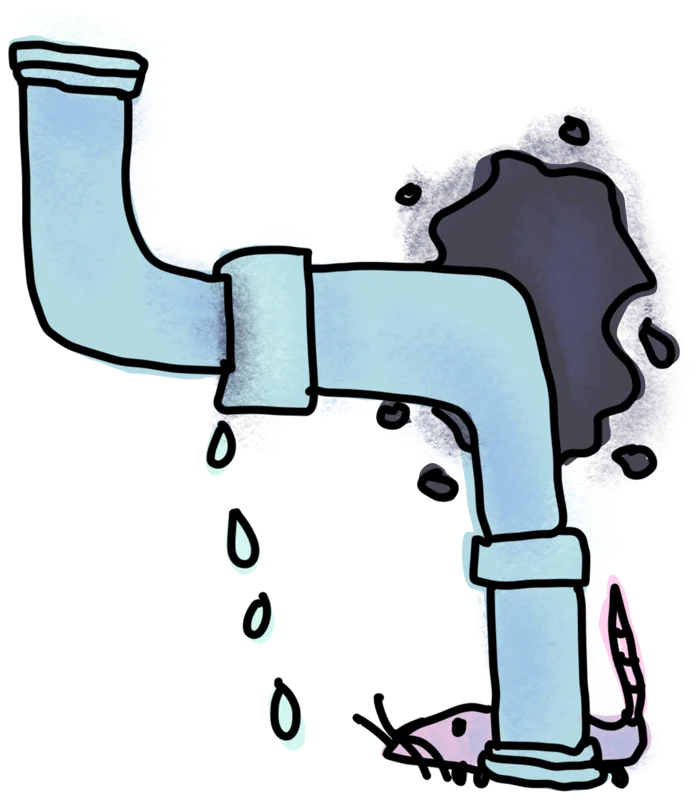
Lee's heater is broken and mold is spreading, and she is afraid asking again will get her evicted.
Lee. Lee's heater broke in November, and mold is spreading across the bedroom wall where her toddler sleeps. She has texted the landlord again and again. She is afraid that pushing harder will get her evicted.
- Legal outcome they want
- The landlord makes the repairs, and Lee is protected from a retaliatory eviction.
- Life outcome they want
- Lee's family lives in a safe home and stays housed.
The problem
People living with a broken heater, a leak, or spreading mold usually ask the landlord first, often many times. When nothing happens, they face a hard choice: keep living with the condition, or push harder and risk retaliation or an eviction filing. Advice from friends and online posts can point them toward withholding rent, which can lead to a nonpayment case if it is done without the required steps. Meanwhile the condition affects the health of everyone in the home.
The legal outcome
The legal outcome is either completed repairs or a written record that preserves the tenant's habitability rights and protects them from retaliation. That record usually needs proper notice to the landlord with proof of delivery, and sometimes an inspection by code enforcement. Where local law allows rent withholding or repair and deduct, the outcome also includes using those remedies lawfully. Each step has its own rules, and people can lose their protection by skipping one.
The life outcome
The life outcome is a safe, healthy home and a tenancy that continues. For families with young children or someone with asthma, the condition of the home is a health matter. What would it take for a tenant's first request for repairs to start a reliable process, one that gets the repair made and protects the tenant along the way?
One story of how this service works today
Where this story ends todayRepairs stay undone for months, and some tenants face retaliation.
- Off-the-shelf techTexts the landlord again and again
- Community, family, or navigatorA friend tells her to stop paying rent
- Specialized techFiles a complaint through the city 311 app
- Non-expert helperA code inspection takes weeks to schedule
- Expert helperA hotline attorney explains a demand letter
- The personWrites a letter alone, with no proof of delivery
Where people drop offPeople act on risky advice from friends, and letters without proof of delivery do not protect them.
A dashed step is one where people drop out of this story.
This is one story of how the service works today. It is a draft written for people to react to and change, and another place will look different.