Housing
Decide what to do about conditions the landlord will not fix
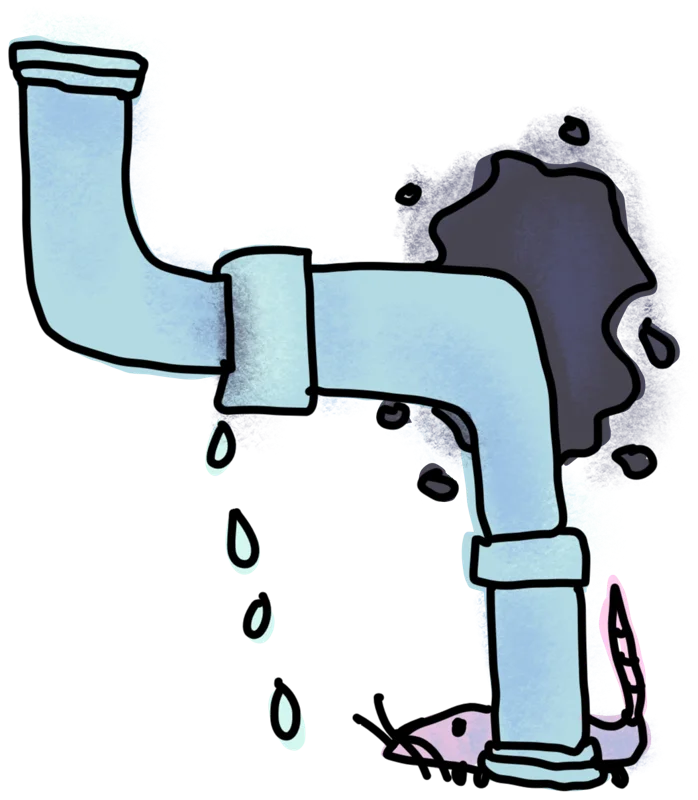
Arjun has lived with mold and no working heat or air conditioning for months, and he is ready to stop paying rent.
Arjun. Arjun comes into the help center and says he cannot take it any more. Mold has been growing in the bathroom and the back bedroom since the spring, the heating and air conditioning stopped working months ago, and the landlord has sent two people out who fixed nothing. Arjun has decided that he will stop paying rent until the work is done.
- Legal outcome they want
- The repairs get made and Arjun keeps his tenancy, with no nonpayment case filed against him.
- Life outcome they want
- Arjun lives in a home that is safe to breathe in and warm in the winter, and he stays housed.
The problem
People who have asked for repairs many times and watched nothing happen often reach a point where withholding rent feels like the only pressure they have left. In many places the law does let a tenant withhold rent or repair and deduct, so the instinct is not wrong. The protection usually depends on steps taken in a particular order, which can include written notice to the landlord, proof that the landlord received it, a code inspection, and in some places paying the rent into an escrow account rather than keeping it. A tenant who stops paying without those steps can turn a repair problem into a nonpayment eviction, and the help center often meets the person after that has already happened.
The legal outcome
The legal outcome is a lawful response to the conditions that keeps the tenancy intact. Depending on local law that can mean a notice that starts the landlord’s duty to repair, a code enforcement inspection that creates an official record, rent paid into escrow while the work is done, or a repair and deduct that holds up if the landlord disputes it. It also means the tenant knows what they owe each month while the dispute runs, and what to do if the landlord files a case.
The life outcome
The life outcome is a home that is safe to live in and a tenancy that continues, reached without the tenant gambling their housing to get attention. For someone at the end of their patience, the practical question is what to do about this month’s rent. How could a help center meet a person at the moment they have decided to stop paying, and give them a route that gets the repairs made without putting their housing at risk?
One story of how this service works today
Where this story ends todaySome tenants stop paying on their own and are served with a nonpayment case before anyone has written down the conditions.
- The personAsks the landlord for repairs over months and gets two visits that fix nothing
- Off-the-shelf techSearches online and reads that tenants are allowed to withhold rent
- Community, family, or navigatorA neighbor says she stopped paying and nothing happened to her
- Non-expert helperA help center clerk hands him a packet on habitability and escrow
- Specialized techFiles a code complaint and waits for an inspection date
- Expert helperA hotline attorney explains escrow after the rent is already late
Where people drop offAdvice to withhold rent travels without the steps that make it lawful, and the escrow account and the inspection usually come up too late to help.
A dashed step is one where people drop out of this story.
This is one story of how the service works today. It is a draft written for people to react to and change, and another place will look different.