Debt collection
Answer a collection lawsuit
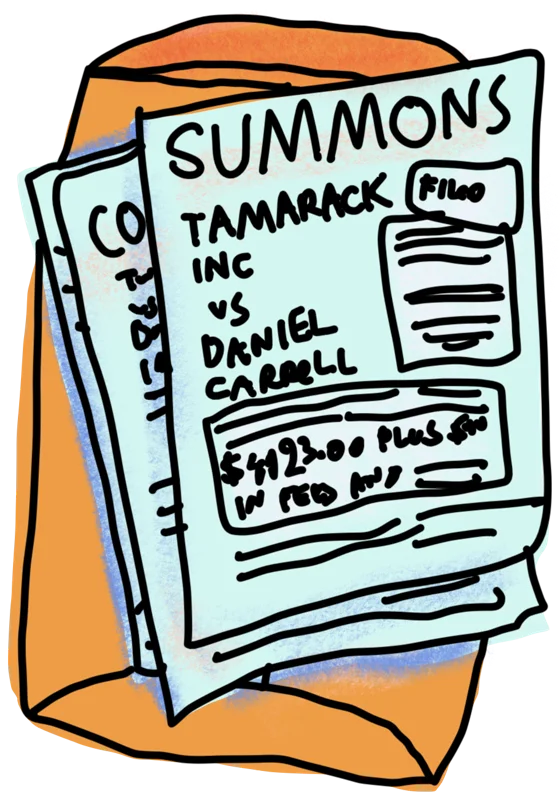
Helen is sued over an old credit card debt and assumes she simply has to pay.
Helen. Helen was sued by a company she has never heard of, over a credit card she stopped paying six years ago after a layoff. The papers ask for $4,800 plus fees. She assumes she has to pay, and she has no idea that she can respond or that the debt may be too old to sue on.
- Legal outcome they want
- Helen answers in time, raising the statute of limitations and standing.
- Life outcome they want
- Helen keeps her paycheck and her credit. No judgment follows her.
The problem
People sued over a consumer debt often receive papers from a company they do not recognize, because the original creditor sold the debt. The papers ask for a balance plus fees and interest, and the debt may be many years old. People can assume they have no choice but to pay, or set the papers aside out of fear or embarrassment. If no answer is filed, the collector can ask the court for a default judgment.
The legal outcome
The legal outcome is a timely answer that raises the defenses that apply, so the collector has to prove its case. Defenses can include the statute of limitations, the collector's lack of standing to sue, a wrong amount, or a mistaken identity. Each depends on facts the person may not have at hand, such as when they last made a payment or who owned the account at each point. The answer also has to meet the court's deadline and format.
The life outcome
The life outcome is a household budget that stays intact. A judgment can lead to wage garnishment, bank levies, and damaged credit that affects housing, jobs, and borrowing for years. How could people who are sued understand their options and respond in time, and how could each case be decided on whether the claim holds up?
One story of how this service works today
Where this story ends todayMost collection cases end in a default judgment.
- The personReceives the summons and sets it aside
- Off-the-shelf techSearches online and finds debt relief ads
- Community, family, or navigatorA coworker says she has to pay it
- Non-expert helperThe self-help center gives her the answer form
- Expert helperA clinic volunteer attorney reviews it briefly
- Specialized techFiles the answer through e-filing
Where people drop offMost people never respond, and many who do miss the statute of limitations defense.
A dashed step is one where people drop out of this story.
This is one story of how the service works today. It is a draft written for people to react to and change, and another place will look different.